Where to Stay in Seoul
Before picking a neighbourhood, check one thing — whether the place is a registered category. Urban homestays require the owner to live there, and may not host Korean nationals.
Language
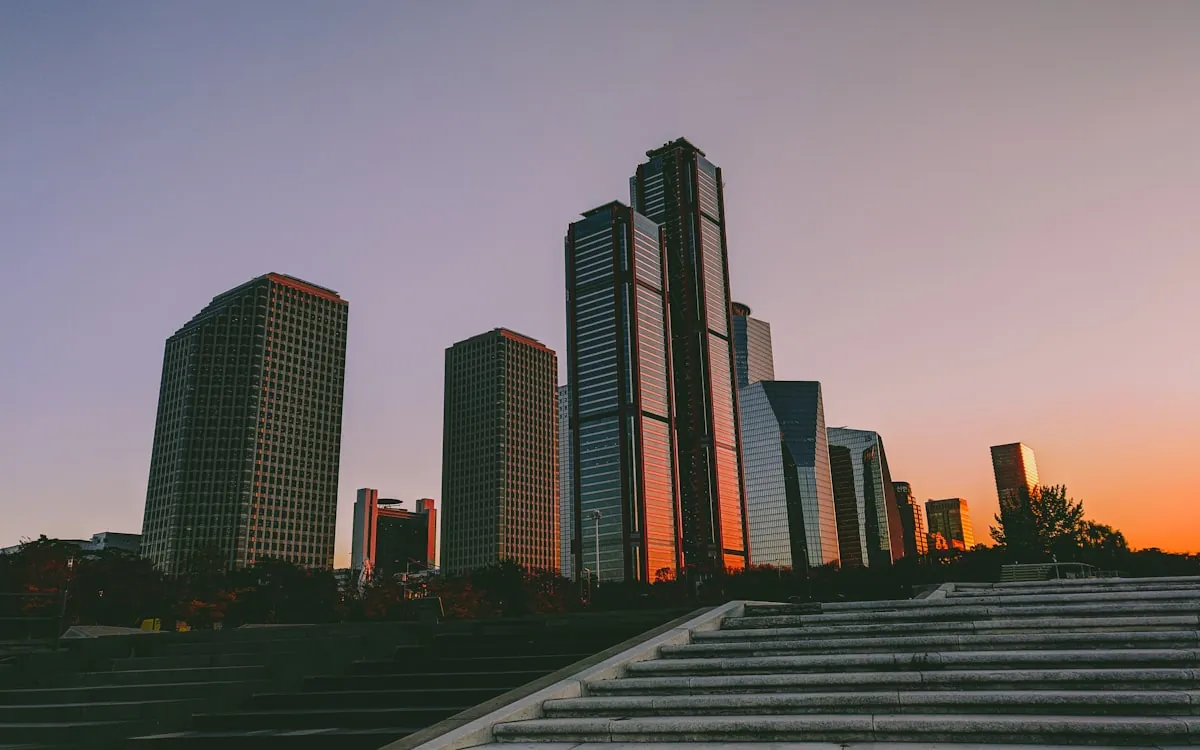
Most guides to Seoul accommodation start with the neighbourhood. There is something to check first: what category the place is registered under. What that decides is not the price but the legality.
At a glance
Check the registration first
Seoul publishes registered operators at stay.visitseoul.net.
Urban homestay hosts live there
A home under 230 m² where the applicant actually resides.
Hosting Korean nationals is not allowed
The category exists for foreign tourists only.
Transfers matter more than districts
Line 2 or an interchange station is what actually helps.
Accommodation types are separated by law
Places to stay in Seoul register under different categories of the Tourism Promotion Act. What differs in practice is who may run it and who may stay.
| Category | What it is |
|---|---|
| Tourist hotel / hostel | A commercial operation. Open to Koreans and foreigners alike |
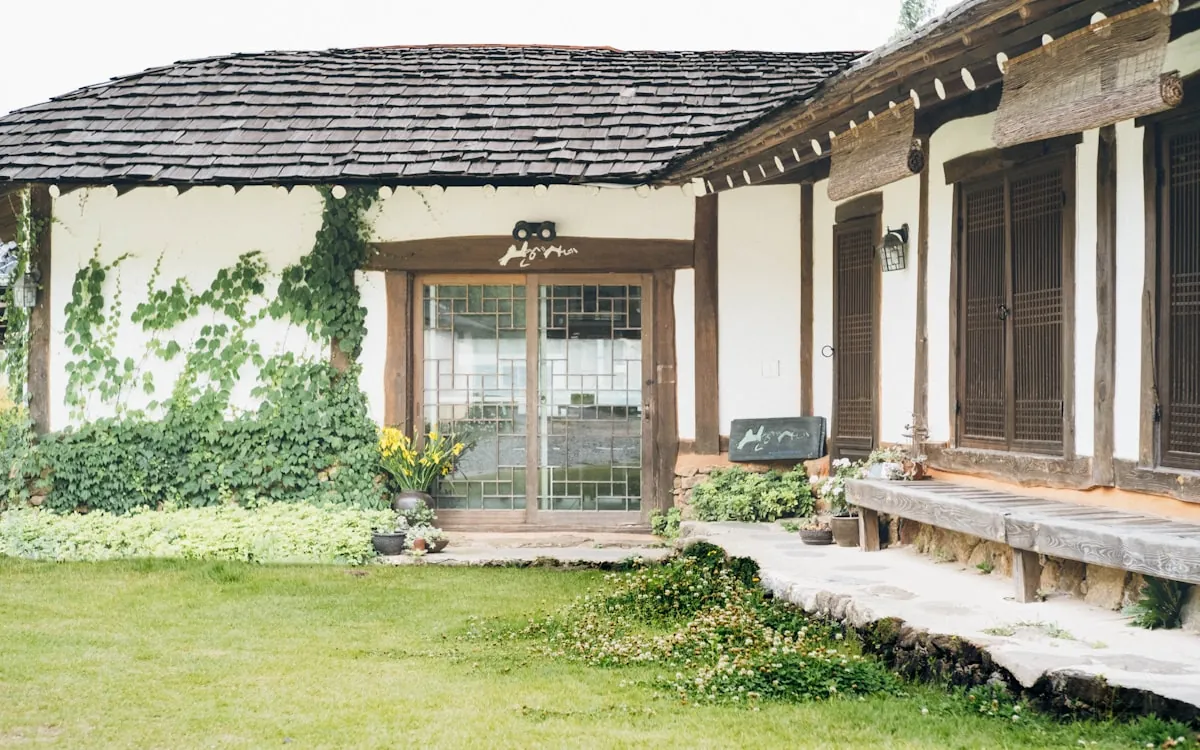
| Hanok experience business | A hanok, which must provide either overnight facilities or traditional cultural-experience facilities |
| Foreign-tourist urban homestay | A home the host lives in. Foreign tourists only |
The urban homestay conditions are the important part of this page.
- The applicant must actually live in the home. A property let out whole is not this category.
- Floor area under 230 m². Detached houses, multi-family houses, apartments, row houses and multi-unit dwellings qualify; officetels and commercial spaces do not.
- The applicant or a household member must be able to provide foreign-language service.
- At least one fire extinguisher, and a standalone smoke alarm in every guest room.
- The guests are foreign tourists. Running lodging for Korean residents under this registration can be punished as unlicensed lodging.
Companies cannot register in this category, and a district-office application goes through an on-site inspection before the certificate is issued.
Why a listing says 'foreigners only'
If a booking platform shows "foreign guests only", that is not discrimination — it is the terms of the registration. The urban homestay category exists to host foreign tourists.
Conversely, a whole apartment rented out with nobody living there, advertised as a registered urban homestay, does not add up. A home the owner does not live in cannot hold that registration.
Unregistered lodging leaves you with little recourse when something goes wrong. Seoul publishes its registered operators at stay.visitseoul.net, so searching the name before you book is the reliable check.
How to actually choose an area
Seoul is large, its sights are scattered, and most of your travel time goes on changing lines. So "which neighbourhood" matters less than "which station you sleep at".
- On the Line 2 loop — Hongdae, Sinchon, Gangnam, Euljiro and Seongsu on one line. The widest reach without a single transfer.
- Near an interchange — Seoul Station, Euljiro 3-ga, Jongno 3-ga, Wangsimni. The more scattered your plans, the better this pays.
- Airport access — Seoul Station and Hongik Univ. are on the airport line directly, which makes arrival and departure days easier.
By character, roughly: Jongno and Euljiro put the palaces and markets within walking distance and go quiet in the evening. Hongdae and Yeonnam stay open late and stay busy. Gangnam is spacious and orderly and far from the sights. Seongsu is cafes and concept shops, and fairly quiet.
The last train changes where you should sleep
Last trains differ by line, station, direction and day, and two directions at one station can be twenty or thirty minutes apart. If your evenings will run late, somewhere you can get back to without changing lines saves taxi fares.
The transfer itself is free within 30 minutes of tapping out — 60 between 21:00 and 07:00 — so the deciding factor is time and the last train, not cost.
Frequently asked questions
How do I check whether a place is registered?
Seoul publishes its registered operators at stay.visitseoul.net. Searching the business name there before booking is the reliable check.
What does 'foreign guests only' mean?
It is registered as a foreign-tourist urban homestay. That category exists to host foreign tourists, and running lodging for Korean residents under it can be punished as unlicensed lodging.
Is a whole apartment rental an urban homestay?
No. The category requires the applicant to actually live in the home, so a property with nobody living in it cannot hold that registration.
What are the registration requirements?
A home under 230 m² that the applicant lives in, the ability to provide foreign-language service, at least one fire extinguisher and a standalone smoke alarm in each guest room. Officetels and commercial spaces are excluded, and companies cannot register.
Which neighbourhood is best in Seoul?
The station matters more than the neighbourhood. Somewhere on the Line 2 loop, or near an interchange such as Seoul Station, Euljiro 3-ga, Jongno 3-ga or Wangsimni. Seoul Station and Hongik Univ. also sit directly on the airport line.
Should the last train affect my choice?
If your evenings run late, yes. Last trains vary by line, station, direction and day, and two directions at one station can differ by twenty or thirty minutes, so a location reachable without changing lines saves taxi fares.
Nearby Food
- Five Seoul Korean Barbecue Restaurants: Hanwoo, Galbi, Bulgogi and Pork Belly

- What the broth is made of — eight Seoul houses, seven different bases

- Northern Korean Food in Seoul: Naengmyeon, Eobok-jaengban, Mandu and Kongbiji

- Seven Seoul houses that open for breakfast — before eight in the morning

- Six Seoul houses that make the noodle by hand — kalguksu, guksi, sujebi

- How to Use Seoul Cafes: Neighbourhoods, Ordering and Seating

Travel Guides


Related articles


Last verified:
Official sources
- Fact check: Seoul Metropolitan Government — operating rules for foreign-tourist urban homestays and hanok experience businesses (residence requirement, 230 m² limit, safety equipment, the stay.visitseoul.net register)
- Fact check: Ministry of Culture, Sports and Tourism — administrative guidelines for registering and managing foreign-tourist urban homestays
- Fact check: Seoul Metropolitan Government — integrated transfer discount (30/60 minutes, four transfers) and last-train guidance
Photo credits