How to Make Restaurant Reservations in Korea
Most meals need no booking at all. Where one is needed, the thing to know is that the no-show penalty standard rose from 10% to as much as 40% in 2025.
Language
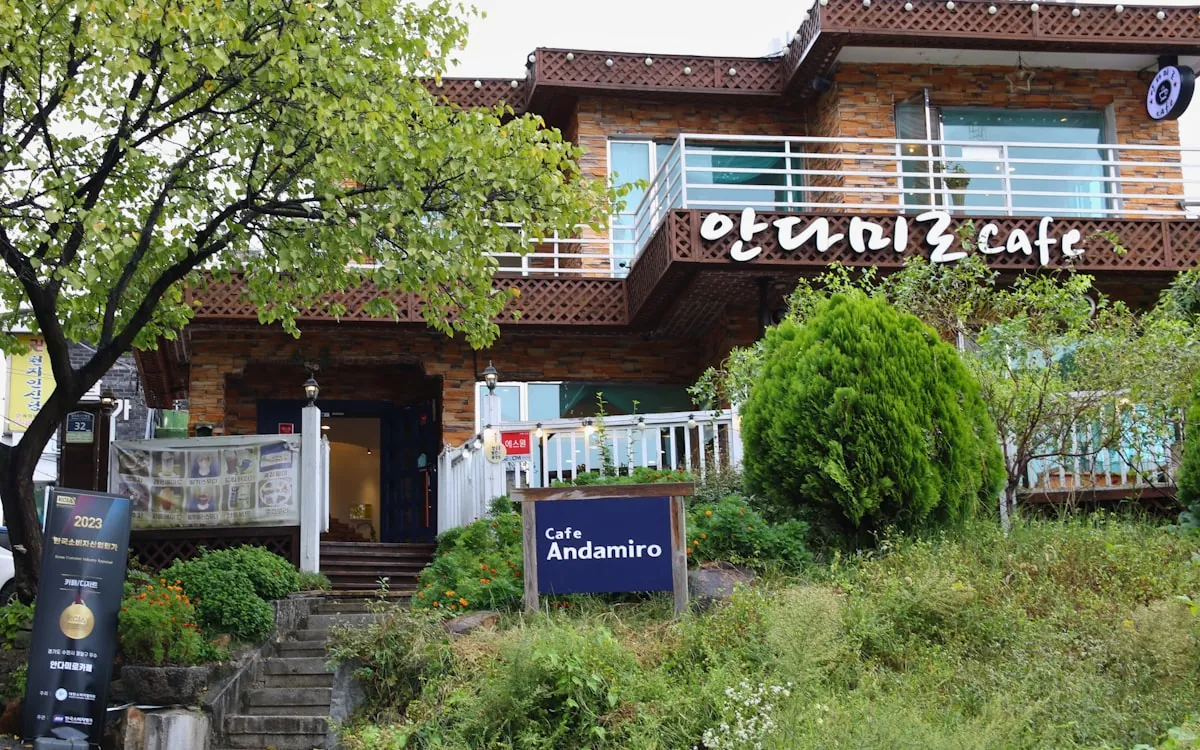
Eating in Korea mostly needs no reservation. You walk in. Where a booking does matter, the one thing worth knowing is that the no-show penalty standard went up sharply in 2025.
At a glance
Most places are walk-in
Noodle shops, cafes and ordinary barbecue are not a booking culture.
Penalty standard 10% → up to 40%
Announced by the Fair Trade Commission on 18 December 2025.
40% is for reservation-based restaurants
Omakase and fine dining. General restaurants are 20%.
Only if disclosed in advance
Deposit, penalty and refund terms must be told to you first.
When you actually need one
The set of places where a reservation genuinely matters is narrower than people expect.
- Popular and trending restaurants — especially Friday and Saturday evenings, and public holidays.
- Fine dining and omakase — where a course is prepared ahead, booking is assumed.
- View restaurants — rooftops and riverside, at sunset.
- Large groups, anywhere.
Otherwise, noodle shops, cafes and ordinary barbecue places are walk-in by default. Many do not take bookings at all, and trying to make one often complicates the conversation.
No-show penalties — what changed in 2025
On 18 December 2025 the Fair Trade Commission announced a revision to the consumer dispute resolution standards, raising the penalty benchmark for restaurant no-shows.
| Penalty benchmark | |
|---|---|
| Previously (all restaurants) | up to 10% of the total bill |
| Reservation-based restaurants | up to 40% of the total bill |
| General restaurants | up to 20% of the total bill |
A reservation-based restaurant is one such as an omakase or fine-dining venue that buys and prepares food against the booking. If it falls through, the ingredients are discarded that day and the seat cannot realistically be resold at short notice. The revision cites a food-service cost ratio of around 30% as part of its reasoning.
One condition attaches: the restaurant must tell you the deposit amount, the penalty amount and the refund basis in advance, by an accessible means such as a text message, for the standard to apply. Check that you received that notice when you book.
This is a dispute-resolution benchmark, not a statutory charge
The consumer dispute resolution standards are what a mediator applies when there is a dispute, not an automatic entitlement for the restaurant to bill you. What you actually owe follows the terms you were given at booking.
Put the other way round: an amount you were never told about is arguable. When you put down a deposit, keep the amount and the refund conditions in a message or a screenshot.
The reliable response is the simple one — if you cannot go, cancel. Reservation-based restaurants almost always have a point up to which cancellation is free, and crossing that point is where a penalty comes from.
How to book
- Catchtable — the most widely used reservation app, with an English interface. Fine dining and the hard-to-get places concentrate here.
- Naver reservations — many restaurants take bookings straight from their Naver Place page. The widest coverage.
- The phone — plenty of places still take nothing else.
If calling in Korean is the obstacle, asking your accommodation's front desk to call is a common and unremarkable request. Guesthouses generally do it as readily as hotels.
You need three things: date and time, number of people, and a contactable number. Without a Korean number, leaving your accommodation's is normal.
Popular places that do not take bookings — the waitlist
Plenty of restaurants take no reservations and run a walk-up waitlist instead. You put your name, party size and a contact number into a tablet by the door, and they text you when your turn comes.
This is where a Korean mobile number is sometimes required. If you do not have one, speak to a member of staff and ask to go on the paper list, or ask whether you can leave your accommodation's number. If the wait is long, it is worth also asking whether you can look around nearby and come back, and what happens if you are not there when your name is called.
Phrases worth having
- "예약하고 싶어요" (yeyak-hago sipeoyo) — "I'd like to make a reservation."
- "두 명이요" (du myeong-iyo) — "Two people."
- "몇 시에 되나요?" (myeot si-e doenayo?) — "What time is available?"
- "예약 취소하고 싶어요" (yeyak chwiso-hago sipeoyo) — "I'd like to cancel my reservation."
That last one is the most important sentence in this article.
Frequently asked questions
Do Korean restaurants generally need reservations?
No. Noodle shops, cafes and ordinary barbecue places are walk-in, and many take no bookings at all. Reservations matter for popular restaurants, fine dining and omakase, view restaurants, and large groups.
How much does a no-show cost?
Under the revision the Fair Trade Commission announced on 18 December 2025, up to 40% of the total bill at reservation-based restaurants and up to 20% at general ones. The previous benchmark was 10% for everyone.
What counts as a reservation-based restaurant?
One that buys and prepares food against the booking, such as an omakase or fine-dining venue. If the booking falls through the ingredients are discarded that day and the seat cannot be resold at short notice, which is the reasoning behind the higher figure.
Can a restaurant simply charge me 40%?
The standard is a benchmark for dispute resolution, not an automatic entitlement. It also only applies where the restaurant told you the deposit, penalty and refund terms in advance by an accessible means such as a text message.
Which apps do people use?
Catchtable is the most widely used and has an English interface. Naver reservations has the broadest coverage and works from a restaurant's Naver Place page. Many places still take phone bookings only.
What if I can't call in Korean?
Asking your accommodation to call for you is common and unremarkable. Have the date, time, party size and a contact number ready; if you have no Korean number, leaving your accommodation's is normal.
Nearby Food
- Four Jeonju Bibimbap Houses and a Bean-Sprout Soup: Three in One Lane, One 4.7 km Out

- How to Find Regional Food in Korea
- A Guide to Banchan — The Name Records How It Was Made, Not Whether You Ordered It

- A Guide to Korean Noodles — What They Are Pulled From, and How They Arrive

- How to Read Korean Soup Names: Guk, Tang, Jjigae and Jeongol

- A First-Timer's Guide to Choosing Korean Food

Travel Guides
- How to Check Foreign-Card Payment at Korean Restaurants

- Common Problems Foreign Tourists Face in Korea

- A Foreigner’s Guide to Shopping at Olive Young
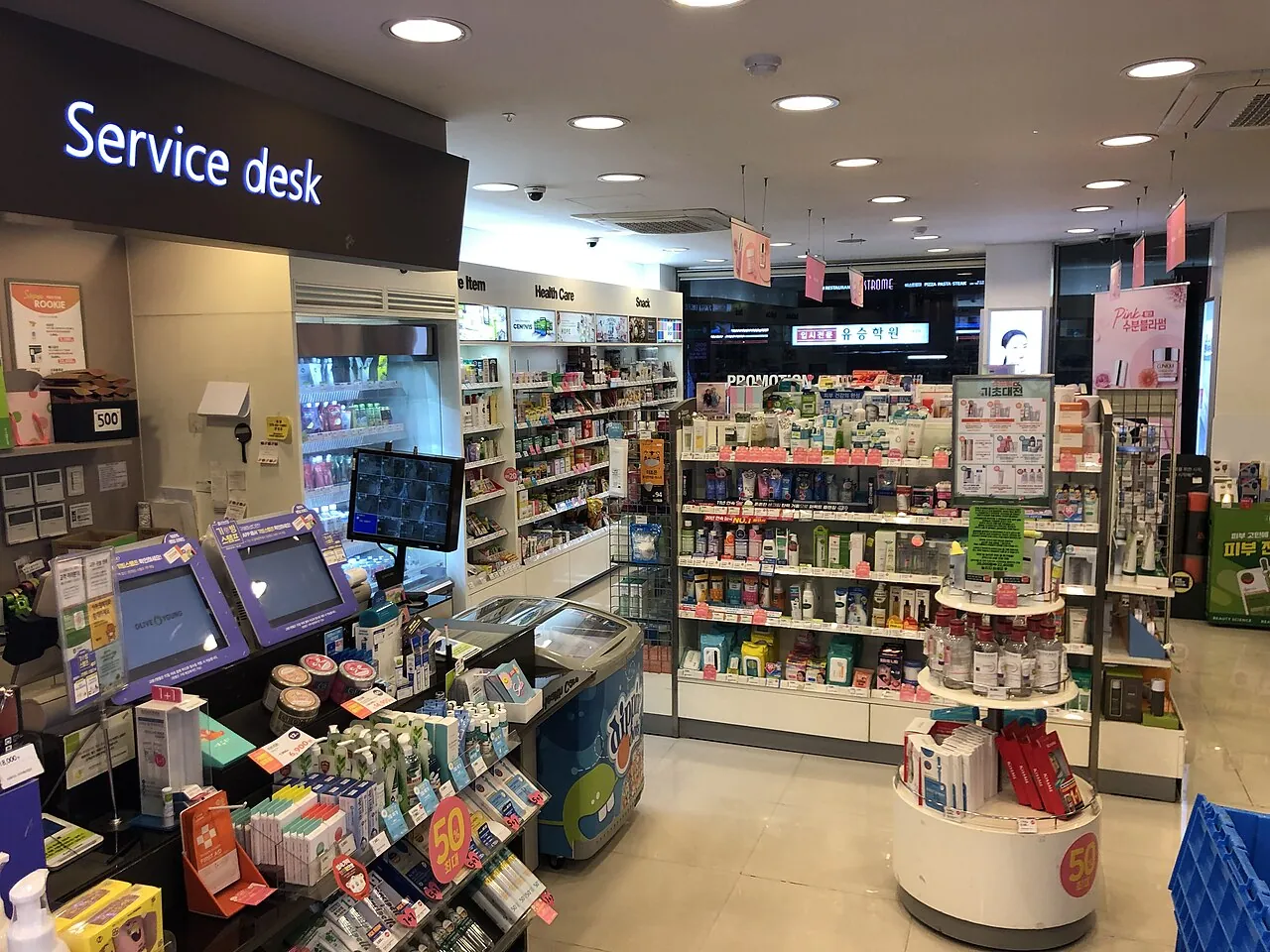
- How to Use Korean Convenience Stores: From Heating a Meal to Topping Up a Transit Card

- At a Korean Convenience Store, the Thing to Read Is the Package

- Eating Alone in Korea: How to Read Menus and Order for One

Related articles


Last verified:
Official sources
- Fact check: Korea Policy Briefing — revised consumer dispute resolution standard, 40% for reservation-based restaurants and 20% for general ones, the previous 10% cap, and the prior-disclosure requirement
- Fact check: Korea Policy Briefing — grounds for the revision (food-service cost ratio around 30%) and the definition of a reservation-based restaurant
- Fact check: Catchtable Global — reservation service
Photo credits