Common Problems Foreign Tourists Face in Korea
The same handful of things trip up almost everyone. And the most useful thing on this page is a single number — 1330.
Language

Korea is an easy country to travel in, and nearly everyone trips on the same handful of things. The most practical item on this page is not the list — it is one phone number.
At a glance
1330 — when you are stuck
07:00 to midnight, every day, seven languages.
Google Maps will not walk you there
Install Naver Map or KakaoMap alongside it.
Kiosks reject foreign cards
The machine, not the restaurant. Try the register.
Tap off the bus
Skip it and your next boarding is charged a fresh fare.
0. When you are stuck, call 1330
Forget the rest of this page if you like, but keep this. 1330 is the tourist information and interpretation line run by the Korea Tourism Organization.
| Inside Korea | 1330, no area code |
| From abroad | +82-2-1330 |
| Hours | 07:00 to midnight, 365 days a year |
| Languages | English, Japanese, Chinese, Russian, Vietnamese, Thai and Indonesian — seven |
It is not only an information desk. It provides interpretation, handles complaints about problems during your trip, takes lost-property reports, and connects you on to the Ministry of Justice immigration centre (1345), the fire and emergency service (119) and the tourist complaint centre.
If calling is difficult you can text 1330 or use KakaoTalk, Facebook, Line or WeChat. Asking them to interpret when you and a taxi driver cannot understand each other is a completely normal use of this number.
1. Google Maps will not walk you there
Place search and subway routes come through, but walking directions are not offered. Export of precise map data is controlled by law, and although a conditional approval landed in February 2026, nothing has changed inside the app yet.
The problem starts once you come up from the station. Install Naver Map or KakaoMap in advance. Searching in whichever app you prefer and taking only the route from these is enough.
2. Kiosks reject foreign cards
Cards themselves are widely accepted. Failures cluster at self-order kiosks, and that is not the restaurant declining your card — it is the machine being unable to process a foreign-issued one.
Ask a member of staff whether you can pay at the register. Usually you can.
Check your card's app for an overseas-use block.
Switch to a second card on a different network, or cash.
When the till asks about currency, choose won. The Credit Finance Association of Korea says being charged in your own currency applies one additional exchange fee, and recommends the local currency.
3. Forgetting to tap off the bus
The subway makes this hard to get wrong because you cannot leave without passing a gate. Buses let you step out of the rear door.
Miss the tap and that leg does not count as part of a transfer, so the next vehicle you board charges a fresh base fare. The condition is to board the next vehicle within 30 minutes of tapping out — 60 minutes between 21:00 and 07:00.
4. Kiosks and menus in Korean only
Fast-food and snack-bar kiosks frequently have no English. Pointing at a photo menu or asking staff works — it is not an imposition.
The same goes for printed menus. Photographing them into a translation app is fastest, and if that fails you can call 1330 and ask for interpretation.
5. Some places are hard to eat at alone
Korean barbecue and similar restaurants are built around two or more people. Some will not sell a single portion, and some are reluctant to seat one person.
The formats where eating alone is entirely normal are clear enough: noodle shops, gimbap and snack bars, set-meal places, cafes, and the growing number of restaurants with single-seat counters. If you want barbecue alone in the evening, check first.
6. Reading an address aloud does not work
Korea uses road-name addresses, and they are hard to convey by pronunciation. In a taxi, showing the Korean name or address on a screen is overwhelmingly faster.
Screenshot it before you go
Save a screenshot of your accommodation's Korean name and address and a dropped data connection stops mattering. Doing the same for your main destinations makes the whole day easier.
7. The last train is not one time
"The subway runs until midnight" is a rough feel. The last train differs by line, station, direction and day, and two directions at one station can be twenty or thirty minutes apart.
If you are out late, check the last train from your station, in your direction, in an app. The fallbacks are the night bus and a taxi.
The common fix
Four things on arrival remove most of the above.
- Naver Map or KakaoMap — walking routes and last trains.
- A data SIM or eSIM — everything above depends on it.
- 20–30,000 won in cash — street stalls and markets.
- A screenshot of your accommodation's Korean address — taxis.
And save 1330 in your contacts.
Frequently asked questions
Who do I call if something goes wrong on my trip?
1330. Dial 1330 with no area code inside Korea, or +82-2-1330 from abroad, from 07:00 to midnight every day of the year. It covers seven languages, provides interpretation, handles complaints and lost property, and connects on to 1345, 119 and the tourist complaint centre.
Is there a way to reach 1330 other than calling?
Yes — text 1330, or use KakaoTalk, Facebook, Line or WeChat.
Can I just use Google Maps?
Place search and subway routes work, but walking directions are not offered. The problem starts once you leave the station, so install Naver Map or KakaoMap as well.
What do I do when a kiosk rejects my card?
Ask staff to take payment at the register. In most cases the restaurant does accept cards and the machine simply cannot process a foreign-issued one.
Do I really have to tap off the bus?
Yes. Without it the leg does not count as part of a transfer and your next boarding is charged a fresh base fare. The window is 30 minutes from tapping out, or 60 between 21:00 and 07:00.
Is it hard to eat alone?
It depends on the format. Noodle shops, snack bars, set-meal places and cafes are entirely normal. Barbecue and similar places built around groups are worth checking first.
How do I tell a taxi where to go?
Show the Korean name or address on your screen — far faster than saying it. Save your accommodation's address as a screenshot before you travel.
Nearby Food
- Four Jeonju Bibimbap Houses and a Bean-Sprout Soup: Three in One Lane, One 4.7 km Out

- How to Find Regional Food in Korea
- A Guide to Banchan — The Name Records How It Was Made, Not Whether You Ordered It

- A Guide to Korean Noodles — What They Are Pulled From, and How They Arrive

- How to Read Korean Soup Names: Guk, Tang, Jjigae and Jeongol

- A First-Timer's Guide to Choosing Korean Food

Travel Guides
- Basic Korean Etiquette for Visitors

- A Foreigner’s Guide to Shopping at Olive Young
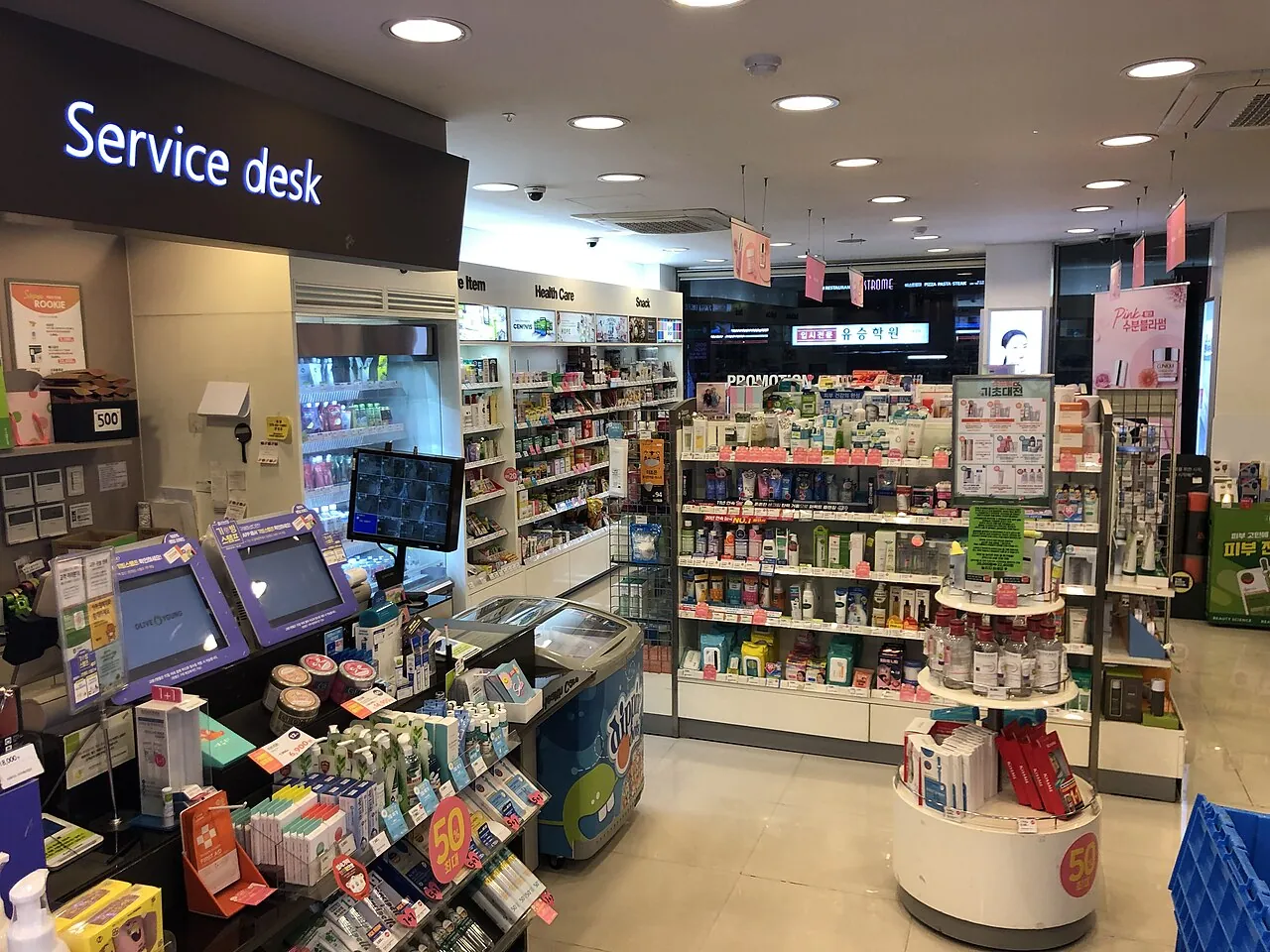
- How to Use Korean Convenience Stores: From Heating a Meal to Topping Up a Transit Card

- At a Korean Convenience Store, the Thing to Read Is the Package

- Eating Alone in Korea: How to Read Menus and Order for One

- How to Order Korean BBQ: Cuts, Grams and Grill Etiquette

Related articles



Last verified:
Official sources
- Fact check: Korea Policy Briefing — the 1330 tourist line (number, hours, seven languages, text and messenger options, links to 1345, 119 and the tourist complaint centre)
- Fact check: Google Korea — why directions are not offered in Korea
- Fact check: Korea Policy Briefing — conditional approval of 1:5,000 map export (2026-02-27)
- Fact check: Seoul Metropolitan Government — integrated transfer discount (tap-out requirement, 30/60 minutes)
- Fact check: Credit Finance Association of Korea — one additional exchange fee when charged in your home currency; settle in local currency
Photo credits