A Practical Guide to Booking a Hanok Stay
Choose a hanok stay by checking the sleeping setup, private or shared bathroom, climate control, luggage access, and check-in details before you book.
Language
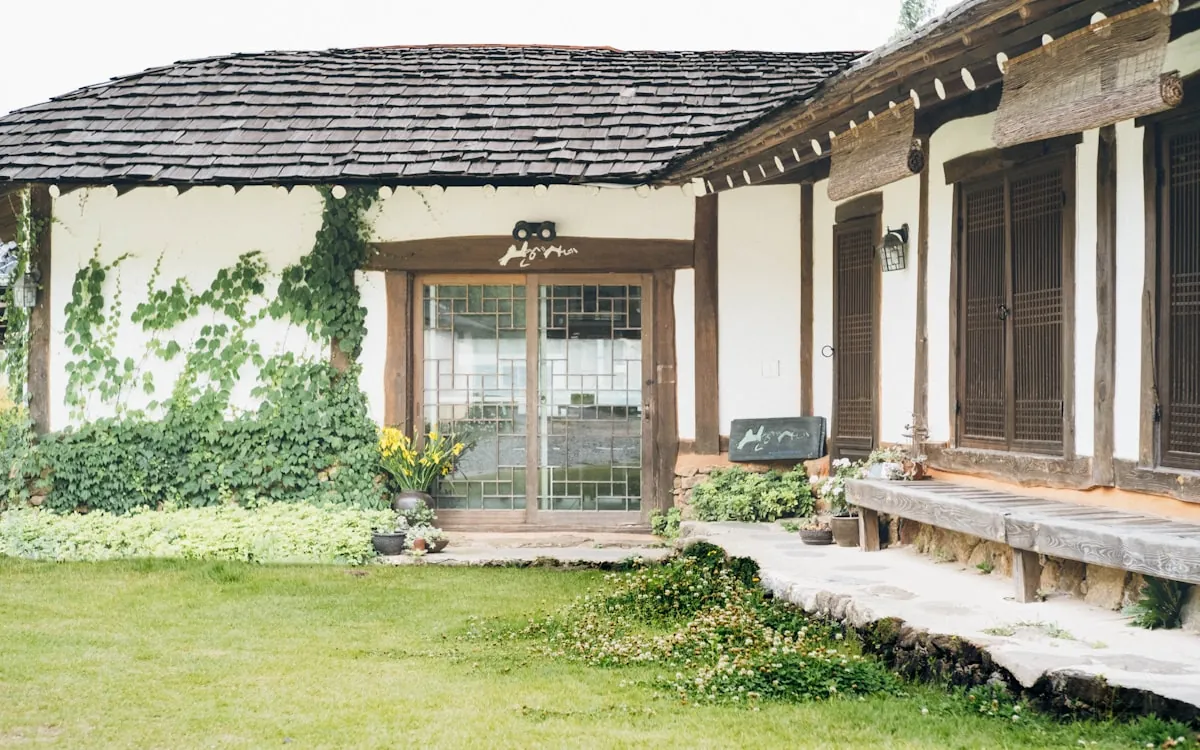
A hanok stay can mean a quiet room around a courtyard, but the room itself may be very different from a hotel. The useful question is not simply “Is it a hanok?” It is what exactly is included in this room.
Check these before paying
Sleeping setup
Confirm a bed or floor bedding; do not infer it from the exterior.
Bathroom
Ask whether it is private, shared, and reached from inside the room.
Climate control
Check room-specific heating and air-conditioning details.
Arrival
Confirm check-in time, luggage storage, and late-arrival instructions.
Start with the room, not the photograph
A tiled roof and timber courtyard tell you little about the sleeping arrangement. Listings may offer a raised bed, a mattress or padded bedding on the floor, or more than one room type. Read the description for the exact room you are booking and ask the host when the wording is unclear.
Floor sleeping is the biggest comfort decision. Before booking, check:
- whether bedding is placed directly on the heated floor;
- how many bedding sets are supplied for your party;
- whether a bed option is available if a guest has back, knee, or mobility concerns;
- whether the room still has usable space after the bedding is laid out.
This turns “traditional atmosphere” into a decision you can make before arrival.
Treat the bathroom as a room-level question
Seoul's published operating guidance says a hanok experience business should provide convenience facilities such as a bathroom or shower. That does not tell you whether the bathroom shown in a listing is private, shared, attached to your room, or across a courtyard.
Look for explicit wording such as “private bathroom” or “en suite.” If the listing only says “bathroom available,” ask three short questions:
- Is the bathroom used only by guests in this room?
- Can it be reached without going outdoors?
- Are towels and toiletries included?
For a winter stay, the indoor route matters as much as whether a shower exists.
A booking route you can verify
For Jeonju, begin with the Visit Jeonju accommodation directory. The city page provides an accommodation list, a hanok-experience category, and a link to its hanok-room booking system.
Use the official directory to make a shortlist, then compare each property's own booking page or booking channel. Before payment, save or screenshot the room name and the answers to the following:
- total price and cancellation deadline;
- bed or floor-bedding configuration;
- private or shared bathroom;
- heating and air conditioning;
- check-in window and late-arrival procedure;
- luggage storage before check-in or after checkout;
- breakfast or cultural programme inclusions.
A property appearing in a tourism directory is a useful discovery signal, not proof that every room has the same amenities.
What the night may feel like
Traditional buildings and renovated hanok are not standardized hotel products. Room size, insulation, sound transfer, doors, and courtyard access can differ by property and by room.
Plan conservatively:
- Sound: bring earplugs if you sleep lightly, and keep voices low around shared courtyards.
- Luggage: ask about taxi drop-off distance and stairs or thresholds when carrying a large suitcase.
- Temperature: check for air conditioning in summer and room-specific heating details in colder months.
- Shared areas: confirm which kitchen, courtyard, lounge, or bathroom spaces are shared.
- Arrival: keep the host's contact method available; small properties may use scheduled rather than round-the-clock check-in.
These are booking checks, not claims that every hanok has the same limitations.
Choose the area by the rest of your trip
- Jeonju Hanok Village — useful when you want to compare hanok-experience accommodation in one official city directory.
- Bukchon, Seoul — useful for a palace-focused Seoul itinerary; remember that the neighbourhood is also residential.
- Gyeongju — useful when the stay is part of a trip centred on historic sites.
Choose the property only after checking the room details. Location cannot compensate for a bathroom or sleeping setup that does not suit your party.
Two areas to compare


Frequently asked questions
Does a hanok stay always mean sleeping on the floor?
No. Room types differ. Confirm whether your exact room has a raised bed, a mattress, or floor bedding before paying.
Does every hanok room have a private bathroom?
Do not assume so. Check whether the bathroom is private or shared and whether it is reached from inside the room.
Where can I start looking in Jeonju?
Visit Jeonju's official accommodation directory includes a hanok-experience category and links to a hanok-room booking system.
What should I ask before booking?
Confirm the sleeping setup, bathroom, heating and air conditioning, total price, cancellation deadline, check-in procedure, and luggage storage.
Is a tourism-directory listing enough to choose a room?
Use it to make a shortlist, then verify the exact room and current terms on the property's booking channel before payment.
Nearby Food
- Four Jeonju Bibimbap Houses and a Bean-Sprout Soup: Three in One Lane, One 4.7 km Out

- How to Find Regional Food in Korea
- A Guide to Banchan — The Name Records How It Was Made, Not Whether You Ordered It

- A Guide to Korean Noodles — What They Are Pulled From, and How They Arrive

- How to Read Korean Soup Names: Guk, Tang, Jjigae and Jeongol

- A First-Timer's Guide to Choosing Korean Food

Travel Guides
- Common Problems Foreign Tourists Face in Korea

- Basic Korean Etiquette for Visitors

- A Foreigner’s Guide to Shopping at Olive Young
- How to Use Korean Convenience Stores: From Heating a Meal to Topping Up a Transit Card

- At a Korean Convenience Store, the Thing to Read Is the Package

- Eating Alone in Korea: How to Read Menus and Order for One

Related articles
- Where to Stay in Seoul

- Goryeo: The Dynasty That Gave Korea Its Name

- A First-Timer's Guide to Jjimjilbang

- The Joseon Dynasty at a Glance

- Cheonmachong: four National Treasures out of a practice dig

- Geumgwanchong: found while digging house foundations, and the king named on the scabbard is still unidentified

Last verified:
Official sources
Photo credits