The Joseon Dynasty at a Glance
518 years, 1392–1910, 27 kings. Why Seoul has five palaces, and why Changdeokgung is the one that feels lived in.
Language

Joseon was founded by Yi Seong-gye in 1392 and lasted until 1910 — 518 years and 27 monarchs. Most of the palaces, fortresses, royal tombs and Confucian academies you will see on a trip to Korea belong to this one dynasty.
A little background makes the information boards read very differently. The one thing worth knowing in advance is why Seoul has five palaces — without it, the five look interchangeable.
At a glance
1392–1910: 518 years, 27 kings
It follows Goryeo and ends as the Korean Empire. Post-1897 still counts as Joseon.
The capital moved to Hanyang in 1394
The city was laid out around Gyeongbokgung as the primary palace.
Changdeokgung's 270 years
First palace rebuilt after the 1592 war, and the one actually used until 1867.
Hangul: created 1443, published 1446
The Haeryebon manuscript joined UNESCO's Memory of the World in 1997.
If you remember one set of dates
1392 to 1910 — 518 years, with 27 kings in between.
One point causes confusion. In 1897 the 26th king, Gojong, renamed the state "Daehan" and took the title of emperor. The period after that is called the Korean Empire. The state's name and the ruler's title both changed; the ruling house did not, and the period is normally counted as Joseon's final phase. The encyclopedia treats the changing names — briefly Goryeo at the very start, then Joseon, then Daehanguk at the end — as three names for one dynasty.
So a palace board showing a date after 1897 is not describing a different country. It is also why Deoksugung has a Western-style stone hall standing inside a Joseon palace.
The end came in 1910, with annexation by Japan.
Why there are five palaces — and what makes Changdeokgung different
Seoul's five palaces — Gyeongbokgung, Changdeokgung, Changgyeonggung, Deoksugung and Gyeonghuigung — were not built as a set. They had different jobs.
Gyeongbokgung was the primary palace, the centre of the new capital laid out from 1394. Changdeokgung was founded in 1405 as its secondary palace — an additional residence, not the seat of government.
Then the order reversed. The 1592 Japanese invasion burned the palaces down, and in 1610 Changdeokgung was the first of them to be rebuilt. Gyeongbokgung was not reconstructed until 1867. For the roughly 270 years in between, successive kings used Changdeokgung more than anywhere else, and it served as the de facto primary palace.
That single fact changes the visit. Gyeongbokgung is the palace of scale and ceremony; Changdeokgung is the palace kings actually lived in for centuries. Because it was set into the existing terrain rather than imposed on it, it is regarded as the most distinctly Korean of the palaces, and it was inscribed as a UNESCO World Heritage Site in 1997.
If you only have time for one palace, that is the distinction to choose on.
Hangul has two dates, not one
King Sejong created the 28 letters in 1443, setting out the framework of Hunminjeongeum, then spent three more years refining it with the scholars of the Hall of Worthies before publishing the Hunminjeongeum (the Haeryebon) in the ninth month of 1446. That is why the creation year and the promulgation year differ.
The Haeryebon explains the purpose of the new script, the sound value of each letter and how to combine them, with commentary and examples. It is held at the Kansong Art Museum, is a designated National Treasure, and was inscribed on UNESCO's Memory of the World register in 1997.
If you come across a Hangul exhibition at a palace, those are the two dates: 1443 made, 1446 published.
Where you meet Joseon on a trip
A large share of Joseon's heritage is UNESCO-listed. The inscription years make it easier to plan a route:
- Jongmyo Shrine (1995) — the shrine housing the memorial tablets of kings and queens. If a palace is a space for the living, this is a space for ritual.
- Changdeokgung (1997) — the palace above. Its rear garden is a separate, ticketed visit.
- Hwaseong Fortress, Suwon (1997) — the walled city built by King Jeongjo.
- Royal Tombs of the Joseon Dynasty (2009) — scattered across the Seoul metropolitan area.
- Hahoe and Yangdong (2010) — Joseon clan villages.
For a half day in Seoul, Gyeongbokgung → Jongmyo or Changdeokgung → Jongmyo flows naturally. Seeing a palace and the shrine together is what makes the priorities of the dynasty legible.
To follow this dynasty further, continue with the founding of Joseon, the move to Hanyang, King Sejong, the creation of Hangul, the Imjin War, Gyeongbokgung and the Korean Empire. What came before and after is in Goryeo and a brief history of Korea.
Free guided palace tours run at fixed times and vary by language. Check the timetable before you go rather than on arrival — a palace you were walked through and a palace you wandered leave very different impressions.
See these together

Gyeongbokgung Palace
The primary palace. This is the Joseon of scale and ceremony.

Changdeokgung Palace
The palace actually used for some 270 years after the 1592 war. The rear garden needs a separate booking.

Jongmyo Shrine
The shrine of the royal memorial tablets. Paired with a palace, the picture completes itself.
Frequently asked questions
How long did the Joseon dynasty last?
518 years, from 1392 to 1910, under 27 kings. The Korean Empire period after Gojong renamed the state 'Daehan' and became emperor in 1897 is normally counted as part of Joseon.
Which of Seoul's palaces should I visit?
Gyeongbokgung for scale and ceremony; Changdeokgung for the palace kings actually lived in. Changdeokgung was the first rebuilt after the 1592 war, in 1610, and served as the de facto primary palace for around 270 years until Gyeongbokgung was reconstructed in 1867.
Why are there five palaces?
Because they had different roles. Gyeongbokgung was the primary palace and Changdeokgung was founded in 1405 as a secondary one. War and reconstruction then changed which palace was actually in use, and five survive.
When was Hangul created?
Sejong created the 28 letters in 1443 and, after three years of refinement, published the Hunminjeongeum Haeryebon in the ninth month of 1446. Created 1443, promulgated 1446.
Which Joseon sites are UNESCO World Heritage?
Jongmyo Shrine (1995), Changdeokgung (1997), Hwaseong Fortress in Suwon (1997), the Royal Tombs of the Joseon Dynasty (2009) and the historic villages of Hahoe and Yangdong (2010). The Hunminjeongeum Haeryebon was inscribed on the Memory of the World register in 1997.
Why does Deoksugung have Western-style buildings?
Because it belongs to the period after Gojong proclaimed the Korean Empire in 1897, which is still counted as Joseon dynastically. That is how a Western stone hall came to stand inside a Joseon palace.
Nearby Food
- Four Jeonju Bibimbap Houses and a Bean-Sprout Soup: Three in One Lane, One 4.7 km Out

- How to Find Regional Food in Korea
- A Guide to Banchan — The Name Records How It Was Made, Not Whether You Ordered It

- A Guide to Korean Noodles — What They Are Pulled From, and How They Arrive

- How to Read Korean Soup Names: Guk, Tang, Jjigae and Jeongol

- A First-Timer's Guide to Choosing Korean Food

Travel Guides
- Common Problems Foreign Tourists Face in Korea

- Basic Korean Etiquette for Visitors

- A Foreigner’s Guide to Shopping at Olive Young
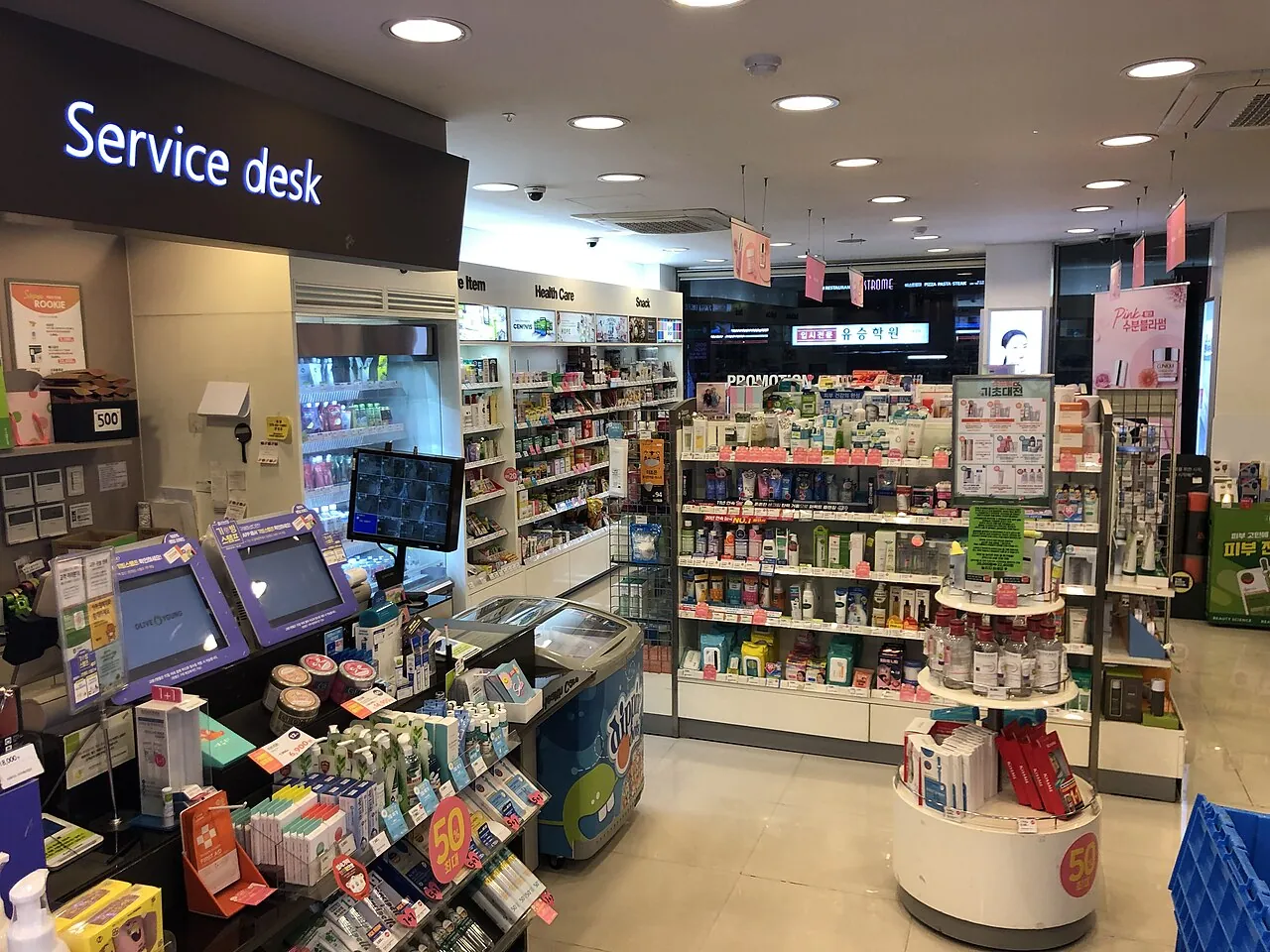
- How to Use Korean Convenience Stores: From Heating a Meal to Topping Up a Transit Card

- At a Korean Convenience Store, the Thing to Read Is the Package

- Eating Alone in Korea: How to Read Menus and Order for One

Related articles
- Yi Hwang: he turned the court down more than twenty times, so the king sent a painter to bring back a picture of where he lived

- Heungseon Daewongun: The Man Who Governed Korea From a House

- King Jeongjo: The Grandson Who Was Made Someone Else's Heir

- Ryu Seong-ryong: Wartime Statesman and Author of Jingbirok

- Taejo, Yi Seong-gye: The Founder Whose Grave Was Planted With Reeds

- The Iron-Painted Plum and Bamboo Jar: A Court Painter's Brush on a Pot

Last verified:
Official sources
- Fact check: Encyclopedia of Korean Culture — Joseon (founded 1392, 27 monarchs, 518 years, the move to Hanyang, 1897 and 1910)
- Fact check: Korea Heritage Service, Royal Palaces and Royal Tombs Center — Changdeokgung history (founded 1405 as a secondary palace, rebuilt 1610, de facto main palace for some 270 years, UNESCO 1997)
- Fact check: Korea Heritage Service — Hunminjeongeum Haeryebon (created 1443, promulgated 1446, Memory of the World 1997)
- Fact check: Korea Heritage Service — Korea's World Heritage list with inscription years
Photo credits