How to Use a Transportation Card in Korea
The base fare is KRW 1,550 by subway and 1,500 by bus. What matters is not the card but the transfer rule — and failing to tap out cancels it entirely.
Language

Buying the card is the easy part. The money is decided by what comes after — the transfer discount is not automatic, and forgetting to tap out on the way off cancels it completely.
At a glance
1,550 won base
Subway, by card. Same fare to 10 km, then 100 won per 5 km.
Four transfers a day
Within 30 minutes of tapping out — 60 minutes between 21:00 and 07:00.
Tap out or lose it
Skip it and your next boarding is a new fare, not a transfer.
20% off before 06:30
First boarding of the day only. Transfers excluded.
What it actually costs
"Distance-based" is not something you can budget against. Here are the numbers.
| By card | Cash / single journey | |
|---|---|---|
| Subway (adult, to 10 km) | 1,550 won | 1,650 won + 500 deposit |
| City bus, trunk and branch | 1,500 won | 1,500 won |
| Village bus | 1,200 won | 1,200 won |
| Circular bus | 1,400 won | 1,400 won |
| Wide-area bus | 3,000 won | 3,000 won |
| Night bus | 2,500 won | 2,500 won |
Past 10 km it is 100 won per 5 km up to 50 km, then 100 won per 8 km. Youth pay 900 won and children 550, with surcharges of 80 and 50 won respectively.
A single-journey ticket costs 100 won more than the card fare and adds a 500 won deposit on top. You get the deposit back by feeding the card into the refund machine at your destination station — walk out without doing that and you do not get the 500 won back.
Transfers are what the card is really for
Changing between subway and bus does not have to start a new fare. Four conditions decide it.
Tap on and tap off. Miss the tap on the way off a bus and that leg is treated as a standalone ride, so the next vehicle you board charges a fresh base fare.
Board the next vehicle within 30 minutes of tapping out. Between 21:00 and 07:00 the window widens to 60 minutes.
Up to four transfers a day, which is five legs chained together.
Not the same route, and not the same vehicle. Riding the bus you just got off back the other way does not qualify.
When the transfer registers, the fare is calculated on the whole journey's distance rather than as the sum of its legs. So changing to a bus costs nothing extra as long as the total stays under 10 km.
Do not skip the tap-off when you get off a bus
Getting off a bus without tapping does two things at once. That leg loses its transfer eligibility, and the next boarding is charged a full base fare. The subway makes this hard to get wrong because you cannot leave without passing a gate; buses let you step out of the rear door, which is where it happens.
Make touching the card to the reader on your way out a habit.
T-money or the Climate Card?
If you are in Seoul for more than a couple of days there is a clear point where the pass wins. The arithmetic is short.
| T-money (pay as you go) | Climate Card | |
|---|---|---|
| How it charges | Deducted per ride | Unlimited within the period |
| 30 days | — | 62,000 won |
| Short-term | — | 1 day 5,000 · 2 days 8,000 · 3 days 10,000 · 5 days 15,000 · 7 days 20,000 |
| Physical card | Extra, non-refundable | 3,000 won (mobile is free) |
| Where it works | Most of the country | Seoul subway, Seoul city and village buses |
| Airport and wide-area buses | ⭕ | ❌ |
The break-even is set by rides per day. Against the 1,550 won base fare:
- 1-day pass, 5,000 won — pays from your fourth separately-charged ride. At three rides T-money is cheaper, at 4,650 won.
- 5-day pass, 15,000 won — two rides a day over five days is already 15,500 won, so it clears immediately.
- 30-day pass, 62,000 won — one round trip a day is 3,100 won, so it returns in 20 days.
Because a transfer is charged once, "rides" means journeys that started a new fare, not the number of vehicles you boarded.
Where the Climate Card does not work
The Climate Card is not accepted on the Sinbundang Line, GTX, subway sections outside Seoul, wide-area buses, airport buses, or any bus licensed outside Seoul.
The airport is the case that catches people. Neither the AREX express train nor the airport bus takes it, so your arrival and departure days need a separate transport budget.
Boarding inside the covered area is not enough either — get off outside it and the card will not clear the gate, and you pay a separate fare at the exit.
Buying, topping up and getting money back
Convenience stores and station machines sell them. Recharge machines are usually cash-only, so keep some notes.
The balance is refundable when you leave, on set terms.
- A 500 won fee comes out of the balance — but it is waived when the balance is below the base fare of 1,550 won.
- The price of the card itself is not refunded. Only the money you loaded onto it.
- Limits differ by location: 20,000–30,000 won at convenience stores, 50,000 at subway stations and bank ATMs, 500,000 a month through the T-money app.
- Mobile refunds above 20,000 won carry an extra 4% fee.
If you are down to about 1,000 won, spending it in a convenience store beats refunding it. The fee is waived at that level, but finding a counter costs more time than the money is worth.
Since March 2026 — what a foreign card can buy
New machines at 273 stations on Seoul Subway Lines 1–8 accept international credit cards and mobile payments for short-term Climate Card passes and single-journey tickets.
That is not the same as being able to top up an ordinary T-money balance by foreign card at every station. Topping up is still fundamentally a cash operation.
Moving early takes 20% off
If your first boarding of the day is before 06:30, the base fare is discounted by 20% — 1,550 won becomes 1,240 on the subway.
It applies to the first boarding only, and not to a leg you arrive on as a transfer. On a dawn-flight morning you get it without doing anything.
Frequently asked questions
What is the subway base fare?
1,550 won for an adult with a transit card, unchanged up to 10 km. A single-journey ticket is 1,650 won plus a 500 won deposit, refunded at a machine in your destination station. Youth pay 900 won and children 550.
How long do I have to make a transfer?
You must board the next vehicle within 30 minutes of tapping out, widening to 60 minutes between 21:00 and 07:00. Up to four transfers a day, which chains five legs.
What happens if I do not tap off the bus?
That leg stops counting as part of a transfer, so the next vehicle you board charges a fresh base fare. It is a common mistake because buses let you leave by the rear door.
Can I transfer to the same bus route?
No. The discount does not apply between the same route or the same vehicle.
How much is the Climate Card and when is it worth it?
62,000 won for 30 days, with short-term passes from 5,000 won for one day to 20,000 for seven. Against the 1,550 won base fare, the 1-day pass pays from your fourth ride and the 5-day pass clears at two rides a day. The physical card is 3,000 won; the mobile version is free.
Can I use the Climate Card to reach the airport?
No. Airport buses, wide-area buses, the Sinbundang Line, GTX and subway sections outside Seoul are all excluded, so budget for the airport transfer separately.
Can I get my remaining balance back?
Yes. A 500 won fee is deducted, waived if the balance is under 1,550 won. The price of the card itself is not refunded. Convenience stores handle 20,000–30,000 won, subway stations and bank ATMs up to 50,000.
Can I top up with a foreign credit card?
Since March 2026, machines at 273 stations on Lines 1–8 sell short-term Climate Card passes and single-journey tickets to international cards. Ordinary T-money top-ups remain a cash operation.
Nearby Food
- Four Jeonju Bibimbap Houses and a Bean-Sprout Soup: Three in One Lane, One 4.7 km Out

- How to Find Regional Food in Korea
- A Guide to Banchan — The Name Records How It Was Made, Not Whether You Ordered It

- A Guide to Korean Noodles — What They Are Pulled From, and How They Arrive

- How to Read Korean Soup Names: Guk, Tang, Jjigae and Jeongol

- A First-Timer's Guide to Choosing Korean Food

Travel Guides
- Can You Use Google Maps in Korea?

- A Foreigner’s Guide to Shopping at Olive Young
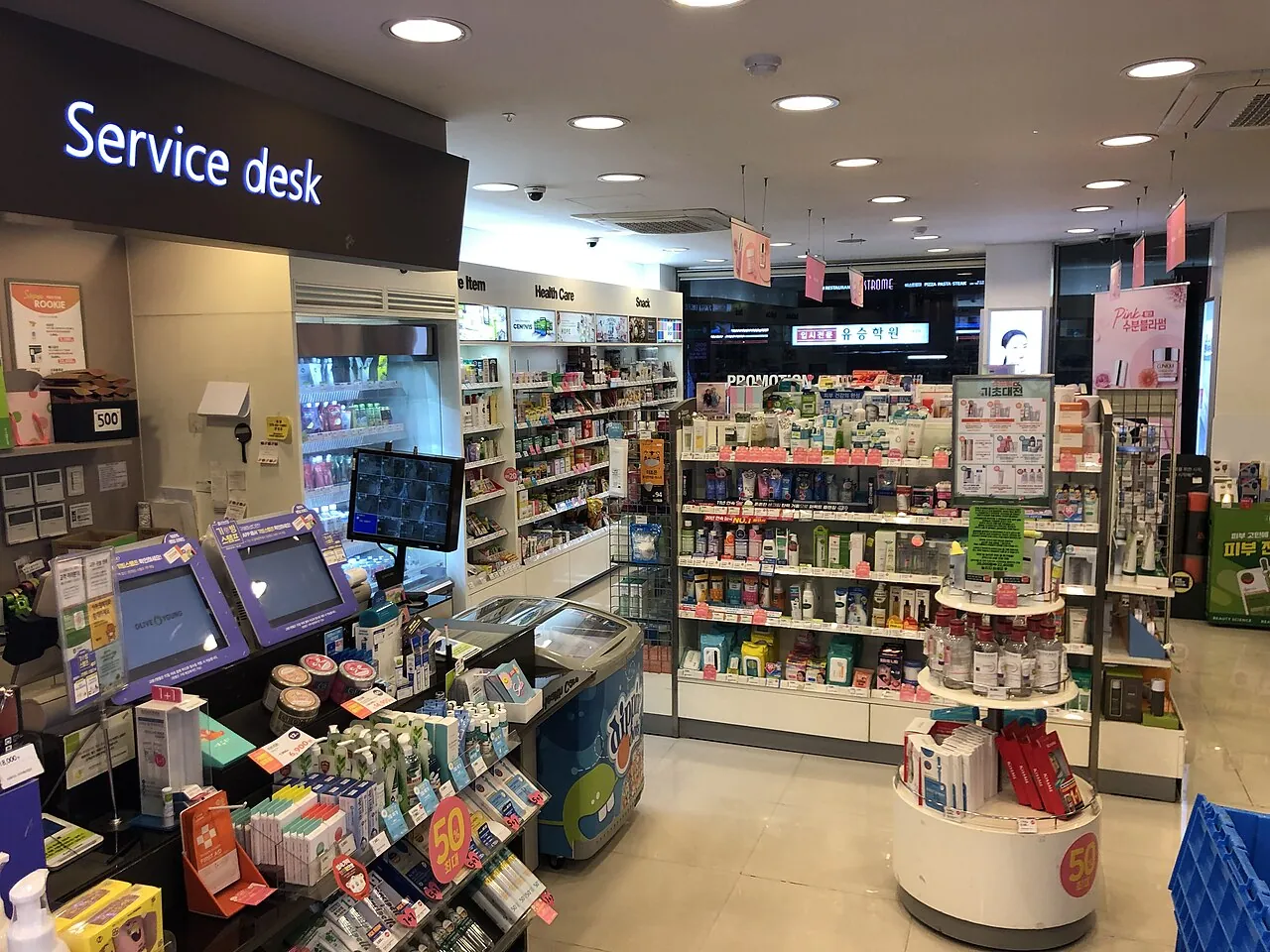
- How to Use Korean Convenience Stores: From Heating a Meal to Topping Up a Transit Card

- At a Korean Convenience Store, the Thing to Read Is the Package

- Eating Alone in Korea: How to Read Menus and Order for One

- How to Order Korean BBQ: Cuts, Grams and Grill Etiquette

Related articles


Last verified:
Official sources
- Fact check: Seoul price information — subway fare table (card 1,550 / single journey 1,650), distance surcharge, early-morning discount
- Fact check: Seoul price information — bus fare table by type (trunk/branch, circular, wide-area, night, village), card vs cash
- Fact check: Seoul Metropolitan Government — integrated transfer discount (4 transfers, 30/60 minutes, same-route exclusion, tap-out requirement)
- Fact check: Seoul Metropolitan Government — fare guide (10 km base distance, 100 won per 5 km, 20% early-morning discount)
- Fact check: Seoul Metropolitan Government — Climate Card prices, short-term passes, KRW 3,000 physical card, excluded lines
- Fact check: T-money — standard card refund guide (KRW 500 fee, waiver threshold, per-location limits)
- Fact check: Seoul Metropolitan Government — KRW 500 single-journey deposit, 273 stations with international-card machines (March 2026)
Photo credits