How to Use a Foreign Credit Card in Korea
A source-backed payment plan for Korea: where international cards are commonly accepted, how to choose KRW, when to keep cash, and what to do after a decline.
Language
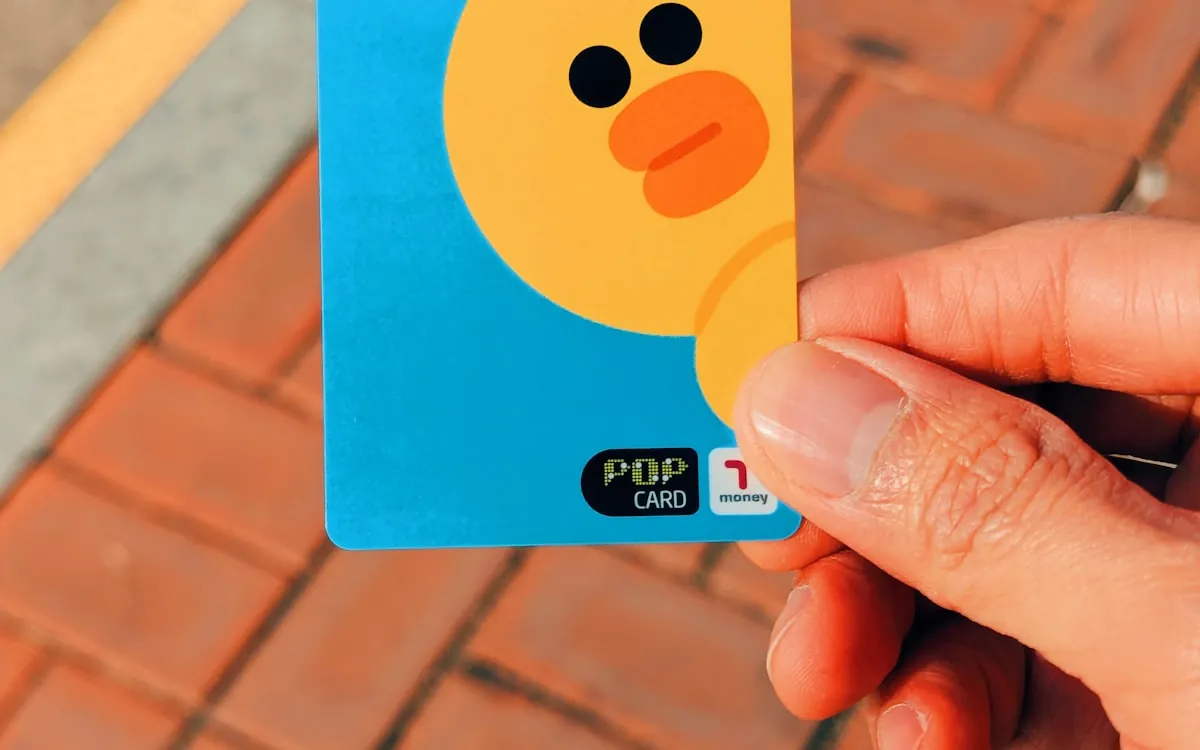
International cards are widely used in Korea, but “cards are common” is not the same as “every card will work in every payment channel.” The Korea Tourism Organization says Visa, Mastercard, American Express and other cards can be used at most hotels, department stores and general shops, while also advising travellers to check availability because some businesses may not offer the service.
The useful plan is therefore simple: prepare the card, recognise the currency choice, and keep a second way to pay. Restaurant-specific checks are covered separately in How to Check Card Payment at Korean Restaurants.
A safer payment setup
Use an international card
Check the network logo, expiry date and overseas-use setting with your issuer before departure.
Choose KRW
If a terminal offers currencies, settle in Korean won rather than your home currency.
Keep a cash fallback
Some businesses do not provide card payment, so choose a backup amount based on your own day's plans.
Check the receipt
Confirm the amount and currency before leaving, and keep the receipt if a charge needs to be traced.
Prepare the card before the trip
Check three things with the card issuer: the card is enabled for overseas purchases, it will remain valid throughout the trip, and you know how to freeze it or contact the issuer if it is lost. A second card should not be stored in the same wallet as the first.
Do not treat the logo on a card as a guarantee of approval. A transaction can still be declined by the issuer, the merchant's terminal or the particular payment channel. If a payment fails, read the message if possible and ask whether another method is available rather than guessing at the cause.
Keep the issuer's app and contact route accessible without relying on the physical card. This is especially useful when an approval alert looks unfamiliar or the card itself is missing.
Separate the merchant from the payment channel
A staffed terminal, self-order kiosk, website and mobile app are different payment channels. One channel failing does not prove why the payment failed, and it does not guarantee another channel will succeed.
Use a short sequence:
- Confirm the amount and that the transaction is being charged in KRW.
- If declined, ask the merchant whether another terminal or payment method is available.
- Check the issuer's app for an overseas-use block, security alert or limit.
- Use a second card or cash if the cause cannot be resolved quickly.
Avoid repeated attempts without checking the screen. Multiple pending authorisations can be confusing even when they later disappear. If the transaction status is unclear, keep the receipt or a screenshot and ask the issuer which charge actually posted.
When the screen asks about currency
A terminal or ATM may offer Korean won and your home currency. This is a currency-conversion choice, not a language setting.
The Credit Finance Association of Korea explains that home-currency settlement adds another conversion step and an additional fee, and recommends paying in the local currency. In Korea, the local currency is KRW.
Read the final screen before approving. If staff operate the terminal, say “KRW, please” or point to the won option. Your own issuer may still charge its normal overseas transaction or exchange fees; choosing KRW avoids accepting the merchant-side home-currency conversion described by the association.
Cash and exchange without a fixed daily number
There is no universal amount of cash that suits every visitor. Base the fallback on what you plan to buy, where you are going and how quickly you could reach another payment option.
VISITKOREA lists won banknotes of 50,000, 10,000, 5,000 and 1,000, and coins of 500, 100, 50 and 10 won. It directs travellers who need to exchange foreign currency to banks or authorised exchange centres. Bank hours are generally 09:00–16:00 on weekdays and can vary by bank and region; Korea Post Bank is listed until 16:30.
Before using an ATM, read the amount, currency and any displayed fee. ATM availability, withdrawal limits and charges depend on the machine and your issuer, so this guide does not promise that a particular logo or withdrawal pattern will be cheaper.
Online bookings and transport need their own check
A card working in a shop does not prove that the same card will work on a website, app, kiosk or transport machine. Each service can use a different payment processor and eligibility rule.
For online bookings, use the service's official international or English page when one exists and read its accepted-payment notice before entering card details. For transport, check the operator's current instructions for the exact product you want; buying a ticket and adding value to a stored-value transit card are not necessarily the same transaction.
The retained Seoul transport source records a March 2026 rollout of international-card machines, but payment coverage can change. Recheck the official transport page rather than treating a dated machine count as a nationwide promise.
Use two independent fallbacks
Carry a second card separately and enough won for the purchases you cannot postpone. The right cash amount comes from your itinerary and budget, not a universal daily figure.
1330 can help with a tourist complaint
The 1330 Korea Travel Helpline provides travel information and can connect tourists with the tourist complaint centre. Its current official description lists service from 07:00 to midnight every day, support in seven foreign languages, the overseas number +82-2-1330, and text or messenger channels. Details were verified on 14 September 2026; check the official source for changes.
Frequently asked questions
Are foreign credit cards accepted in Korea?
They are widely accepted, and VISITKOREA names Visa, Mastercard and American Express among usable cards. It also advises checking first because some businesses may not provide card payment.
Should I choose KRW or my home currency?
Choose KRW. The Credit Finance Association of Korea advises local-currency settlement because home-currency settlement adds a conversion step and an additional fee.
What should I do when a card is declined?
Check the currency and error message, ask whether another terminal or method is available, review the issuer's app, then use a second card or cash if necessary. Do not assume one cause from the decline alone.
How much cash should I carry?
There is no reliable universal amount. Choose a fallback based on your own meals, transport and planned purchases, and how easily you can reach another payment option.
Does in-store acceptance guarantee online acceptance?
No. Shops, websites, apps, kiosks and transport machines can use different payment systems. Check the exact service's official payment notice.
Who can help with a tourist payment complaint?
The 1330 Korea Travel Helpline can provide travel assistance and connect callers with the tourist complaint centre. Check its current hours and channels before relying on it.
Nearby Food
- Four Jeonju Bibimbap Houses and a Bean-Sprout Soup: Three in One Lane, One 4.7 km Out

- How to Find Regional Food in Korea
- A Guide to Banchan — The Name Records How It Was Made, Not Whether You Ordered It

- A Guide to Korean Noodles — What They Are Pulled From, and How They Arrive

- How to Read Korean Soup Names: Guk, Tang, Jjigae and Jeongol

- A First-Timer's Guide to Choosing Korean Food

Travel Guides
- How to Check Foreign-Card Payment at Korean Restaurants

- A Foreigner’s Guide to Shopping at Olive Young
- How to Use Korean Convenience Stores: From Heating a Meal to Topping Up a Transit Card

- At a Korean Convenience Store, the Thing to Read Is the Package

- Eating Alone in Korea: How to Read Menus and Order for One

- How to Order Korean BBQ: Cuts, Grams and Grill Etiquette

Related articles


Last verified:
Official sources
- Fact check: Credit Finance Association of Korea — paying in your home currency adds one more exchange fee; settle in local currency
- Fact check: Korea Tourism Organization — won denominations, card acceptance (Visa, Mastercard, Amex), bank exchange hours
- Fact check: Korea Policy Briefing — the 1330 tourist hotline (hours, languages, connected agencies)
- Fact check: Seoul Metropolitan Government — 273 stations with international-card machines (March 2026)
Photo credits