Using Translation Apps in Korea
Apps are strong on menus and signs and weak on conversation. For the moments that really block you, the state provides free human interpretation — 1330, seven languages.
Language

Translation apps solve most of what comes up on a trip to Korea. But what they do well and what they do badly divides sharply — strong on text, weak on conversation. And for the moments that really block you, there is something else.
At a glance
Camera translation is the workhorse
Menus, signs and ingredient labels.
Live conversation is the weak point
One short sentence at a time works far better.
Human interpretation is 1330
Free, seven languages, 07:00 to midnight, every day.
Download the offline pack
Coverage drops underground.
What apps do well — pointing a camera at text
Camera translation is what you will use most and what works best.
- Menus — decisive in a restaurant with no photo menu.
- Signs and notices — subway announcements, opening hours, access restrictions.
- Ingredient lists and origin boards — especially with an allergy or a dietary restriction.
- Pharmacy instructions — where getting the dosage right matters.
Accuracy on printed text is high. It drops on handwriting and decorative shop signage.
NAVER Papago supports Korean and English along with image, voice, conversation and offline translation modes. For an ambiguous sentence, compare the output with a second translator rather than assuming either result is exact.
What apps do badly — a conversation going back and forth
Live interpretation features exist, and they collapse in exactly the places you need them — a noisy market or restaurant where sentences are short and overlapping. The cause is the situation more than the software: people talk over each other, the background is loud, and sentences never finish.
What actually works is simple.
One sentence at a time. Two ideas in one sentence breaks the translation.
Show the screen. Displaying the text is more accurate than playing the audio.
Write numbers and names yourself. Amounts, party sizes and times are safest as digits.
Read it back. Translating the answer back into Korean and showing it catches the misunderstanding on the spot.
When you need a human, that is 1330
For the situations an app cannot carry — a hospital, lost property, a payment dispute, a misunderstanding with a taxi driver — the state provides human interpretation, free.
1330 (from abroad, +82-2-1330). 07:00 to midnight, every day of the year, in English, Japanese, Chinese, Russian, Vietnamese, Thai and Indonesian — seven languages.
It is not only an information desk: it interprets, handles complaints and lost property, and connects on to the Ministry of Justice immigration centre (1345) and the fire service (119).
If calling is hard, text 1330 or use KakaoTalk, Facebook, Line or WeChat. That chat route gives you a human alternative when an automated translation is not enough.
There are places where the data drops
Underground malls, some subway sections and mountain areas have unreliable coverage. The translation app is most needed precisely when it stops working.
Download Korean and your own language for offline use in advance. Papago officially provides offline translation, but image translation is a separate feature, so test the exact task you need before losing coverage.
Save your accommodation address and booking confirmations as screenshots. Carrying them in a form that needs no translation is the safest option there is.
Regional tourism bodies also run chat support
VISIT JEJU, the island's official tourism portal, provides an online tourism-inquiry chat. Some regions have their own channel like this, so if you are staying in one area for a while, it is worth checking that region's official tourism site once.
Frequently asked questions
Do translation apps work well in Korea?
They are quite accurate on printed text — menus, signs, ingredient labels — and weaker on handwriting and decorative signage. Live conversation in a noisy place is the weakest case.
Which app should I use?
NAVER Papago is built around Korean and is particularly useful on the Korean–English pair. For an ambiguous sentence, comparing it with Google Translate shows the difference.
Any tricks for a difficult conversation?
One sentence at a time, show the screen rather than playing audio, write numbers and names yourself, and translate the answer back into Korean to confirm it.
Can I get a human interpreter?
1330 provides one free. Dial 1330 inside Korea with no area code, or +82-2-1330 from abroad, 07:00 to midnight every day of the year in seven languages.
What if calling is difficult?
Text 1330, or use KakaoTalk, Facebook, Line or WeChat. Working in writing is often more accurate than a translation app.
What do I do if the data drops?
Download Korean and your own language for offline use in advance. Image translation is a separate feature, so test the exact task before you lose coverage. Keep your accommodation address and booking confirmations as screenshots.
Nearby Food
- How to Find Regional Food in Korea

- Jeonju Bibimbap and Bean-Sprout Soup: Where to Eat Near the Hanok Village
- A Guide to Korean Banchan: Names, Meanings and Whether It Costs Extra

- A Guide to Korean Noodles: Grain, Temperature and Broth Explained

- How to Read Korean Soup Names: Guk, Tang, Jjigae and Jeongol

- A First-Timer's Guide to Choosing Korean Food

Travel Guides
- Useful Basic Korean Phrases for Travel

- Can You Use Google Maps in Korea?

- A Foreigner’s Guide to Shopping at Olive Young
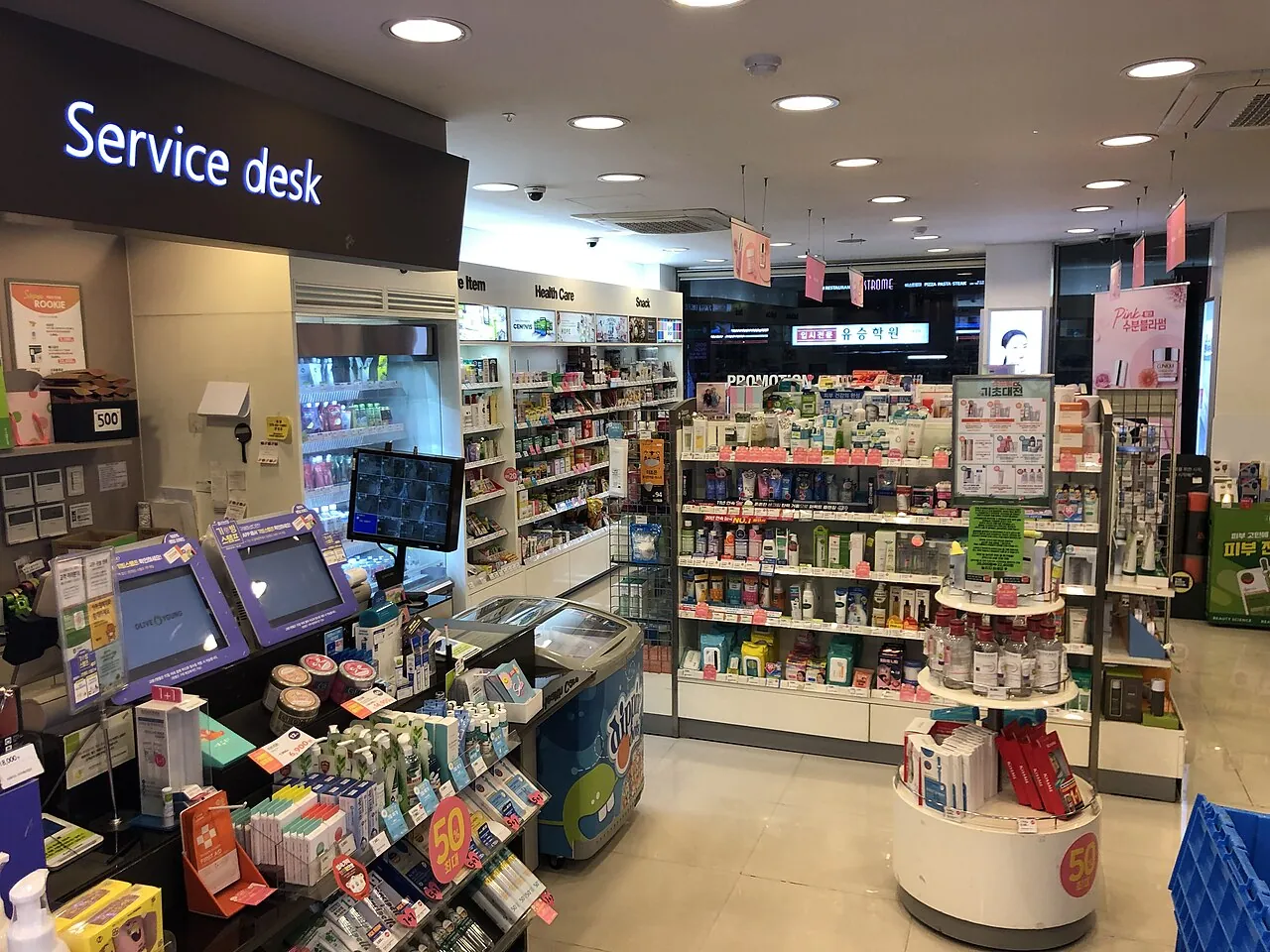
- How to Use Korean Convenience Stores: From Heating a Meal to Topping Up a Transit Card

- A Guide to Reading Use-By Dates at Korean Convenience Stores

- Eating Alone in Korea: How to Read Menus and Order for One

Related articles



Last verified:
Official sources
- Fact check: Korea Policy Briefing — the 1330 tourist line (1330 / +82-2-1330, 07:00 to midnight every day, seven languages, interpretation service, text and KakaoTalk/Facebook/Line/WeChat, links to 1345 and 119)
- Fact check: NAVER Papago official app listing — image, voice, conversation and offline translation features
- Fact check: VISIT JEJU — multilingual chat support
Photo credits