The Jinju Namgang Lantern Festival
Colourful lanterns lighting up the Nam River — a guide to the Jinju Namgang Lantern Festival on an autumn night.
Language

The Jinju Namgang Lantern Festival floats hundreds of coloured lanterns on the Nam River on autumn nights. It is one of Korea's signature lantern festivals, and the lights on the water and along the banks are essentially the whole event.
In 2026 it runs from Saturday 3 October to Sunday 18 October, across Jinju Fortress and the Nam River.
At a glance
3–18 October
Sixteen days in 2026. The dates move every year, so check before booking.
Lanterns lit 18:00–24:00
There is very little to see in daylight. This is a night festival.
Bridges and booths 13:00–23:00
They open earlier than the lanterns and close an hour before them.
Fortress and river
Two connected settings, not one riverbank — the views differ from each side.
Getting the timing wrong is the usual mistake
The thing people get wrong here is not the date, it is the hour.
- Lantern lighting — 18:00 to 24:00.
- Floating bridges and experience booths — 13:00 to 23:00.
The two windows do not line up, and that is the whole planning problem. Arrive at 2pm and you can cross the bridge but the lanterns are not lit; arrive at 11:30pm and the lanterns are spectacular but the bridges and booths have shut. To do both, be on site between dusk and about 11pm.
Festival admission is free. Selected experiences and passage across the temporary floating bridges may cost extra. Check the latest official notice before visiting, because programme details, bridge tickets and traffic controls can change.
What there is to do
- Cross a floating bridge — a temporary pontoon takes you across the river between the lanterns. Seeing them edge-on from the water is a completely different view from the bank.
- Float a wish lantern — make one and set it on the water yourself.
- The lanterns on both banks — you are looking at the reflection as much as the lantern, so a still night is a better night.
The festival uses Jinju Fortress as well as the river. The fortress side and the riverside show you different things, so seeing only one is seeing half of it.
Getting there, and what to bring
Jinju is reachable by intercity or express bus and by rail. Weekend evenings during the festival are busy, so allow extra time to move around.
An October night by the water feels much colder than the daytime temperature suggests. Bring a jacket — this is an itinerary that has you standing outdoors by a river for three or four hours. You will also be walking on uneven ground in the dark, which is worth a thought when choosing shoes.
The dates change annually. This guide covers 2026; if you are visiting in another year, re-check that year's schedule on the official site.
Use the official 2026 period and operating hours for trip planning, then check the newest programme and traffic notices shortly before departure. Festival admission is free, but optional experiences and floating-bridge passage may be charged separately.
Frequently asked questions
When is the 2026 Jinju Namgang Lantern Festival?
Saturday 3 October to Sunday 18 October 2026, sixteen days, across Jinju Fortress and the Nam River. The dates change every year, so check the official site for any other year.
What time should I arrive?
Lanterns are lit from 18:00 to 24:00; the floating bridges and experience booths run 13:00 to 23:00. To get both, be there between dusk and about 11pm. The lanterns are not lit during the day.
Is there an admission fee?
Festival admission is free. Optional experiences and passage across the temporary floating bridges may have separate charges, so check the latest official notice before visiting.
Is it worth going during the day?
Not really. The bridges and booths open at 1pm, but the lanterns — the point of the festival — are not lit until 6pm. If you do arrive early, see Jinju Fortress first and wait for the lighting.
What should I bring?
A jacket. An October night by the river is much colder than the day, and you will spend most of your time standing. Comfortable shoes help too, since you will be walking a dark riverbank.
Nearby Food
- Four Jeonju Bibimbap Houses and a Bean-Sprout Soup: Three in One Lane, One 4.7 km Out

- How to Find Regional Food in Korea
- A Guide to Banchan — The Name Records How It Was Made, Not Whether You Ordered It

- A Guide to Korean Noodles — What They Are Pulled From, and How They Arrive

- How to Read Korean Soup Names: Guk, Tang, Jjigae and Jeongol

- A First-Timer's Guide to Choosing Korean Food

Travel Guides
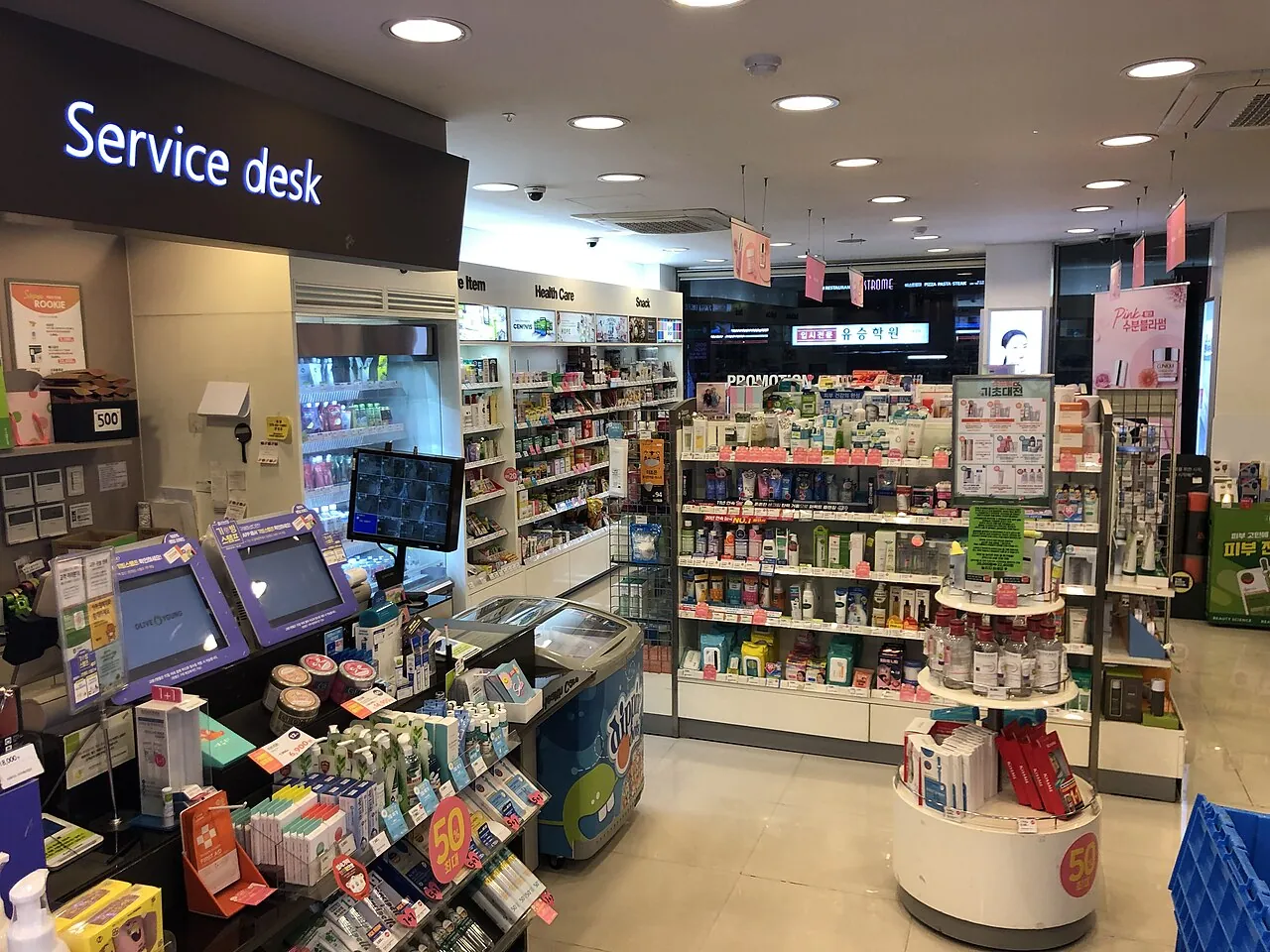
- A Foreigner’s Guide to Shopping at Olive Young
- How to Use Korean Convenience Stores: From Heating a Meal to Topping Up a Transit Card

- At a Korean Convenience Store, the Thing to Read Is the Package

- Eating Alone in Korea: How to Read Menus and Order for One

- How to Order Korean BBQ: Cuts, Grams and Grill Etiquette

- Emergency Numbers in Korea: 112, 119, and Non-Urgent Help

Related articles
- A Guide to the Busan Fireworks Festival

- Cheonmachong: four National Treasures out of a practice dig

- Geumgwanchong: found while digging house foundations, and the king named on the scabbard is still unidentified

- King Munmu: the king who unified the Three Kingdoms is buried at sea, and nobody has ever looked underneath

- The Divine Bell of King Seongdeok: begun for a father, finished by a grandson, and the writer's name has worn away

- Yi Hwang: he turned the court down more than twenty times, so the king sent a painter to bring back a picture of where he lived

Last verified:
Official sources
Photo credits