Bulguksa Temple and Seokguram Grotto in Gyeongju
A thousand years of Silla heritage — the UNESCO World Heritage sites you shouldn't miss in Gyeongju.
Language

Place information
- Korean name
- 불국사
- Address
- 385 Bulguk-ro, Gyeongju-si, Gyeongsangbuk-do (경상북도 경주시 불국로 385)
- Opening hours
- Weekdays 09:00–17:00, weekends and public holidays roughly 08:00–17:00 (ticket sales until 17:00, last exit 18:00) — reconfirming before your visit is recommended.
- Price range
- budget
Gyeongju was the thousand-year capital of the Silla kingdom, often called "the museum without walls." Bulguksa Temple and Seokguram Grotto, both UNESCO World Heritage Sites, are the heart of a Gyeongju trip.
Bulguksa
The temple is known for its refined stonework, especially the Cheongun-gyo and Baegun-gyo bridges and its two stone pagodas, Dabotap and Seokgatap. As of July 2026, Gyeongju City's official tourism pages list both Bulguksa and Seokguram as free to enter.
As checked in July 2026, Bulguksa is open 09:00–18:00 with last entry at 17:00. Seokguram closes seasonally: 18:00 in summer, 17:30 in October, and 17:00 in winter. Both are free, but recheck hours before visiting.
Seokguram Grotto
From Bulguksa, head toward Mount Tohamsan to reach Seokguram Grotto. Its centerpiece is a granite Buddha statue; the interior is viewed through glass to protect it.
Getting there
You can reach the area by bus from downtown Gyeongju. Between Bulguksa and Seokguram, take the shuttle bus or walk.
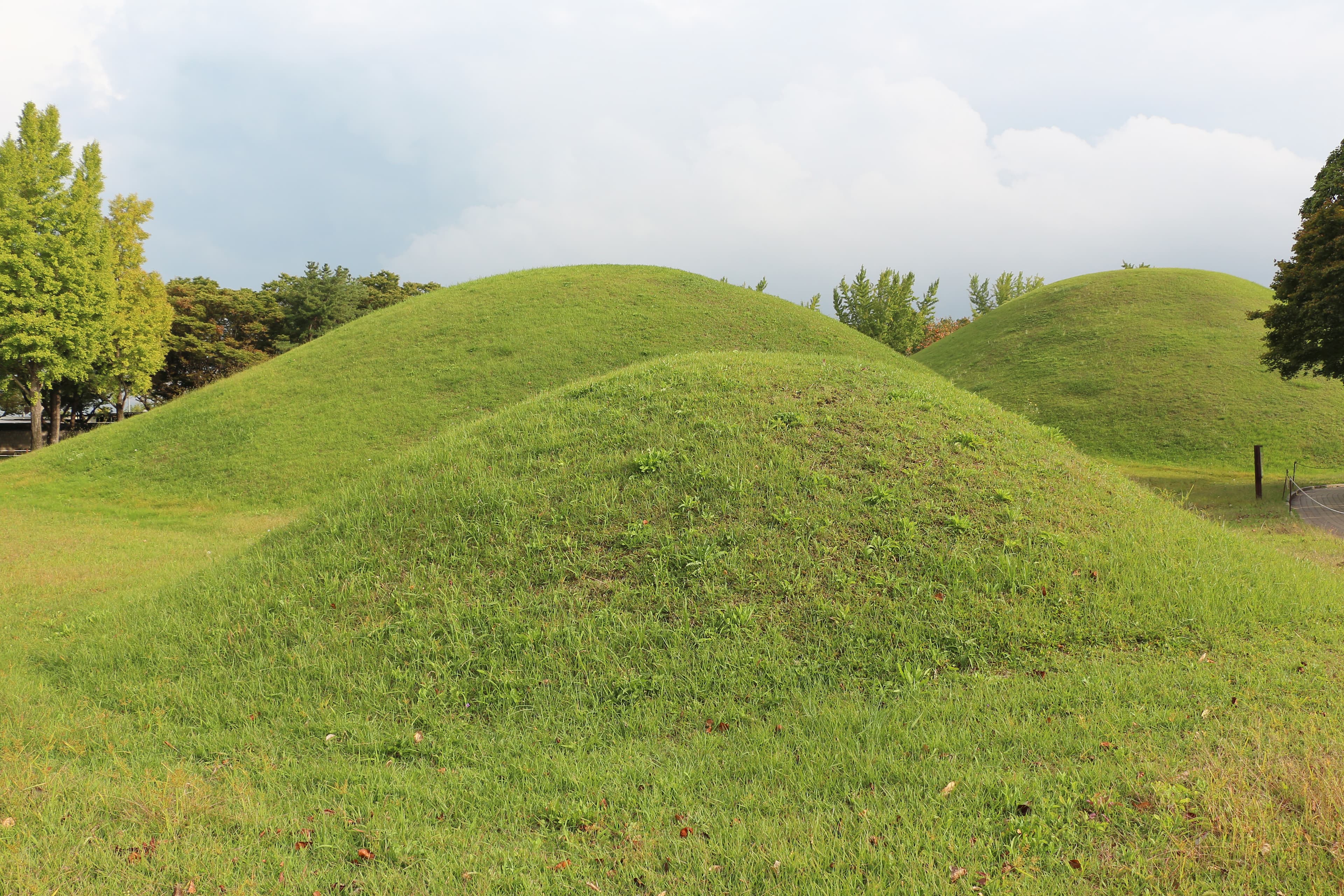
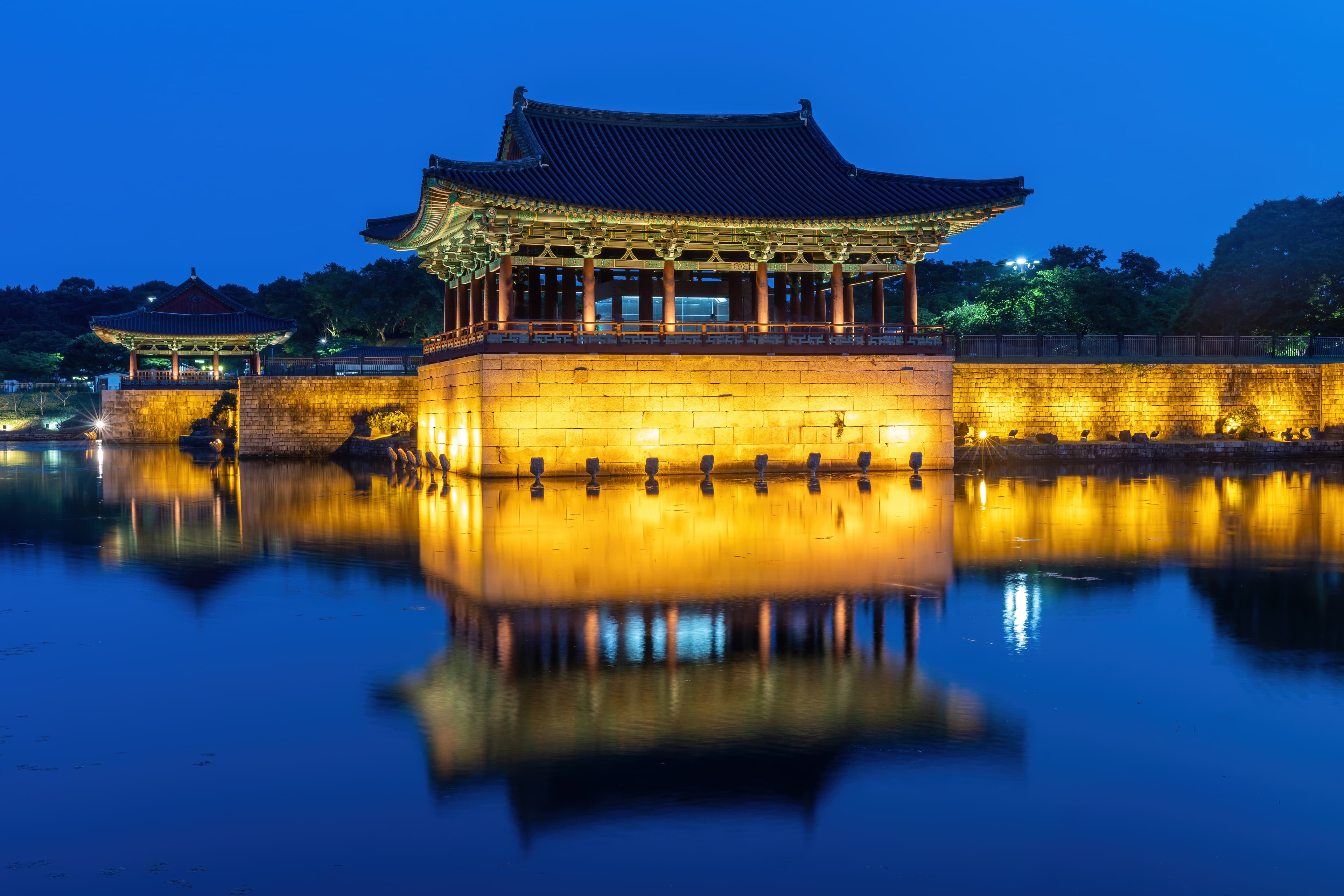
Gyeongju has plenty more to see — Daereungwon Tomb Complex, Cheomseongdae Observatory, and Donggung Palace with Wolji Pond among them — so it's worth staying more than a day.
Nearby Attractions

Suggested Next Destinations

Related articles
Last verified:
Official sources
Photo credits